Clean Ingredient Soup: Creamy Recipes
Clean Ingredient Soup: Creamy Plant Based Recipe

This post may contain affiliate links, which means if you click them, I may earn a small commission, at no extra cost to you.
Clean Ingredient Soup: Creamy, Delicious Recipes | Well With Brielle
First, let’s start with the fact that:
Creamy soups are one of my favorite comfort foods, especially during colder months or low-energy seasons.
What I don’t love are ingredient lists filled with gums, stabilizers, artificial flavors, or mystery additives just to achieve a smooth texture.
Of course, it’s just not worth my health and overall wellbeing.
Fortunately, the good news is that creamy soups don’t need fillers to be rich, satisfying, or nourishing.
Moreover, you create delicious, healthy soups without spending a lot of time and energy cooking them.
Overall, besides the delicious taste and comforting warmth of soups, the easy cooking process also makes them a clear winner when it comes to choosing recipes to cook.
For example, with the right ingredients and simple techniques, you can create soups that feel indulgent while still aligning with a clean, whole-food approach.
This post shares how I make creamy soups using real ingredients, along with ideas you can adapt depending on what you have on hand.
These clean ingredient soup recipes focus on creamy plant based soups made with simple, recognizable ingredients.
Reader Favorite
Clean Ingredient Soup for Low Energy Days
Table of Contents
What Makes a Clean Ingredient Soup
Why Creamy Soups Are So Comforting and a Staple in My Routine
When I Use Heavy Cream (And Why I’m Intentional About It)
My Method: Cooking Fresh Produce Down in Water First
How Seasoning Order Changes the Flavor
Balancing Creaminess Without Overdoing It
Clean Ingredient Soup: Creamy Recipes (Plant-Based Options Included)
How I Adjust Creamy Soups for Energy Levels
Making Creamy Soups Digestible and Light
Tools I Use for Creamy Soups
How I Store and Reheat Creamy Soups
What Makes a Clean Ingredient Soup
When I talk about clean ingredient soups, I’m not referring to strict rules or perfection.
Of course, Well with Brielle is all about balance and customizing wellness to fit your needs.
For instance, for me, a clean soup simply means ingredients I recognize, understand, and feel good about eating regularly.
Clean soups usually include:
Short ingredient lists
Whole vegetables and herbs
Natural fats
No artificial thickeners or flavor enhancers
Instead of relying on processed shortcuts, clean soups get their flavor and texture from real food.
This not only improves taste, but also makes soups easier to digest and more satisfying.
Not to mention, I feel great throughout the day and confident knowing that I am consuming ingredients that will support longevity throughout my lifestyle!
Keep reading to learn how I make creamy soups using fresh produce, simple techniques, and clean ingredients.
Why Creamy Soups Are So Comforting and a Staple in My Routine
Creamy soups feel grounding.
Additionally, clean ingredient soup, especially, creamy soups are warm, filling, and easy to eat.
Typically, this is especially helpful when appetite is low or the weather shifts.
I love creamy soups because they also work well as:
A light lunch
A cozy dinner base
A nourishing option when you don’t feel like cooking a full meal
Creamy Without Cream
One of the biggest misconceptions is that creamy soups require dairy.
While dairy can be used intentionally (and I do!), there are many other ways to create a rich texture.
Here are my go-to methods to create clean ingredient soup that is creamy, but dairy free:
Blended Vegetables
Vegetables like potatoes, cauliflower, squash, carrots, and onions become naturally creamy when blended.
Moreover this kind of produce thicken soups without overpowering flavor.
Coconut Milk
Full-fat coconut milk adds richness and a subtle sweetness.
Coconut milk works especially well in vegetable based or lightly spiced soups.
Cashews
Soaked cashews blended with water or broth create a smooth, neutral cream base.
Using cashews in your soup is ideal for dairy free soups that still feel indulgent and taste amazing!
Each of these options keeps the soup clean while allowing flexibility based on dietary preferences.
Shop My Soup Tools
(This Entire Post)
These are the simple kitchen tools I use to make clean, creamy soups with minimal effort.

When I Use Heavy Cream (And Why I’m Intentional About It)
I do use heavy cream in some of my soups, but I use it intentionally rather than automatically as a go to default.
Overall, I do believe most food has it’s benefits, but that many of us should likely avoid dairy - myself included as I get older- OOP!
At the same time, it’s always important to treat yourself and in general do what you believe will serve you most.
Typically, I will use dairy sparingly and intentionally luxe ingredients like heavy cream when I do.
Moreover, heavy cream can add richness and softness, but it isn’t necessary for every recipe and it isn’t the foundation of my soups.
I usually use heavy cream when I want a soup to feel more grounding or when it’s meant to replace a full meal.
Additionally, as I focus on gaining weight and creating natural, luscious curves, heavy cream can be a fun and supportive ingredient.
Nevertheless, the majority and bases of your meal should be the plants!
Instead of using cream to create thickness, I rely on vegetables first and use cream only as a finishing element.
Personally, for me, this keeps the soup satisfying without making it feel overly heavy or greasy.
Also, using heavy cream this way allows the soup to stay balanced while still feeling comforting.
My Method: Cooking Fresh Produce Down in Water First
Almost every creamy soup I make starts with cooking fresh produce down in water until it’s very soft.
This step is what creates natural thickness and depth without relying on fillers or artificial thickeners.
I usually cook vegetables like potatoes, carrots, onions, leeks, cauliflower, squash, or tomatoes in water or broth and let them simmer until they break down easily.
As the vegetables soften, they release natural starches that create body in the soup.
Once fully cooked, I blend the vegetables directly in the liquid. This creates a smooth, creamy base before adding any dairy or fat.
Shop Cooking Prep Essentials
Large stock pot
Sharp chef’s knife
Cutting board
Do you prefer creamy plant based soups or lighter vegetable soups when you’re cooking at home?
Leave a comment below — I’d love to know.
Well with Brielle Tip:
If a soup feels too thick or heavy, add a splash of water or broth before adjusting seasoning.
Small tweaks keep soups balanced without starting over.
I also like to use the lid strategically while cooking:
For a thicker soup: cover the pot.
For a looser soup: remove the lid completely.
For something in between or a slower reduction: tilt the lid slightly.
Always keep an eye on your cooking station while adjusting texture.
How Seasoning Order Changes the Flavor
Seasoning order matters when making soup. I lightly season vegetables as they cook, then adjust seasoning again after blending.
I always taste the soup before adding cream. After cream is added, I may adjust salt, pepper, or acidity one final time. This layering helps the soup taste balanced rather than flat or overly seasoned.
Shop Simple Seasoning Staples
Simple Seasoning Staples
Sea salt
Black pepper
Olive oil
Building Flavor Without Additives
Flavor comes from layering ingredients thoughtfully rather than adding artificial enhancers.
Some simple ways to build depth:
Sauté aromatics like onion, garlic, or leeks
Use quality broth
Season gradually and taste as you go
Finish with olive oil, herbs, or a squeeze of lemon
When the base ingredients are strong, very little is needed to make the soup satisfying.
Balancing Creaminess Without Overdoing It
Creamy soups should feel comforting, not heavy.
I keep balance by letting vegetables provide most of the thickness and using cream sparingly.
If a soup feels too rich, I thin it with water or broth and re-season lightly.
Additionally, this keeps the texture smooth without overwhelming the flavors or digestion.
Shop Healthy Fat Add Ons
Coconut milk
Cashews
Olive oil
Clean Ingredient Soup: Creamy Recipes (Plant-Based Options Included)
These are some of my favorite clean, creamy soup styles that are easy to customize:
Butternut Squash Soup
Naturally sweet, smooth, and comforting. Roasted squash blended with onion, garlic, and broth creates depth without extra ingredients.
Potato Leek Soup
Potatoes provide body while leeks add a subtle, savory flavor. This is a classic option that feels elevated but simple.
Creamy Tomato Soup
Using real tomatoes, olive oil, and blended vegetables creates a rich texture without added sugar or fillers.
These soups are easy to batch cook and reheat, making them practical as well as nourishing.
Shop Plant Based Ingredients
Organic vegetables
Quality broth
Coconut milk
How I Adjust Creamy Soups for Energy Levels
On low energy days, I keep soups lighter by using more water or broth and less cream.
The texture stays smooth but gentle.
On days when I want something more grounding, I allow the soup to be slightly thicker or include a bit more fat.
Creamy soups are flexible, which makes them especially helpful when appetite and energy fluctuate.
Making Creamy Soups Digestible and Light
To keep creamy soups easy to digest, I fully cook vegetables, blend thoroughly, and avoid using too much dairy. I also keep portions moderate and eat slowly.
When soups are made with simple ingredients and balanced fat, they feel supportive rather than heavy.
How I Store and Reheat Creamy Soups
I store creamy soups in glass containers and reheat gently on the stove or in short microwave intervals, stirring between heating. This helps maintain texture and prevents separation.
Shop Storage Favorites
Glass storage containers
Airtight lids
Freezer safe jars
[Button: Shop Food Storage]
When I Reach for Creamy Soups
I make or keep creamy soups on hand when:
I want something warm and filling
I don’t feel like chewing a full meal
I’m low on energy but still want nourishment
I want something comforting that doesn’t feel heavy
Creamy soups are especially helpful during transitional seasons when appetite and energy fluctuate.
Making Soups Work for Your Routine
Soups don’t have to be complicated to be effective. Even one large batch per week can provide several easy meals.
To keep things simple:
Cook once, eat multiple times
Store portions in glass containers
Pair with bread or a simple protein if desired
The goal is nourishment without unnecessary effort.
Shop Meal Prep Favorites
Soup Ladle
Storage containers
Reheating safe bowls
Final Thoughts
Creamy soups don’t need fillers, gums, or artificial ingredients to be comforting.
With whole vegetables, natural fats, and simple techniques, you can create soups that feel rich, satisfying, and aligned with a clean lifestyle.
Comfort food can still support wellness — and soups are one of the easiest ways to do both.
Overall, these creamy plant based soup ideas show how clean ingredient soup can be both comforting and simple.
Do you prefer blended soups or chunky soups — and which flavor is your favorite?
Tell me in the comments!
Shop My Cooking + Non Toxic Living Favorites (This Entire Post)
These are the tools I use most often when making creamy soups at home. Here are all the items from this blog post and more!
Don’t forget to pin this guide or share it with a friend who loves clean, comforting meals made with simple ingredients.

Want more?
Related Content
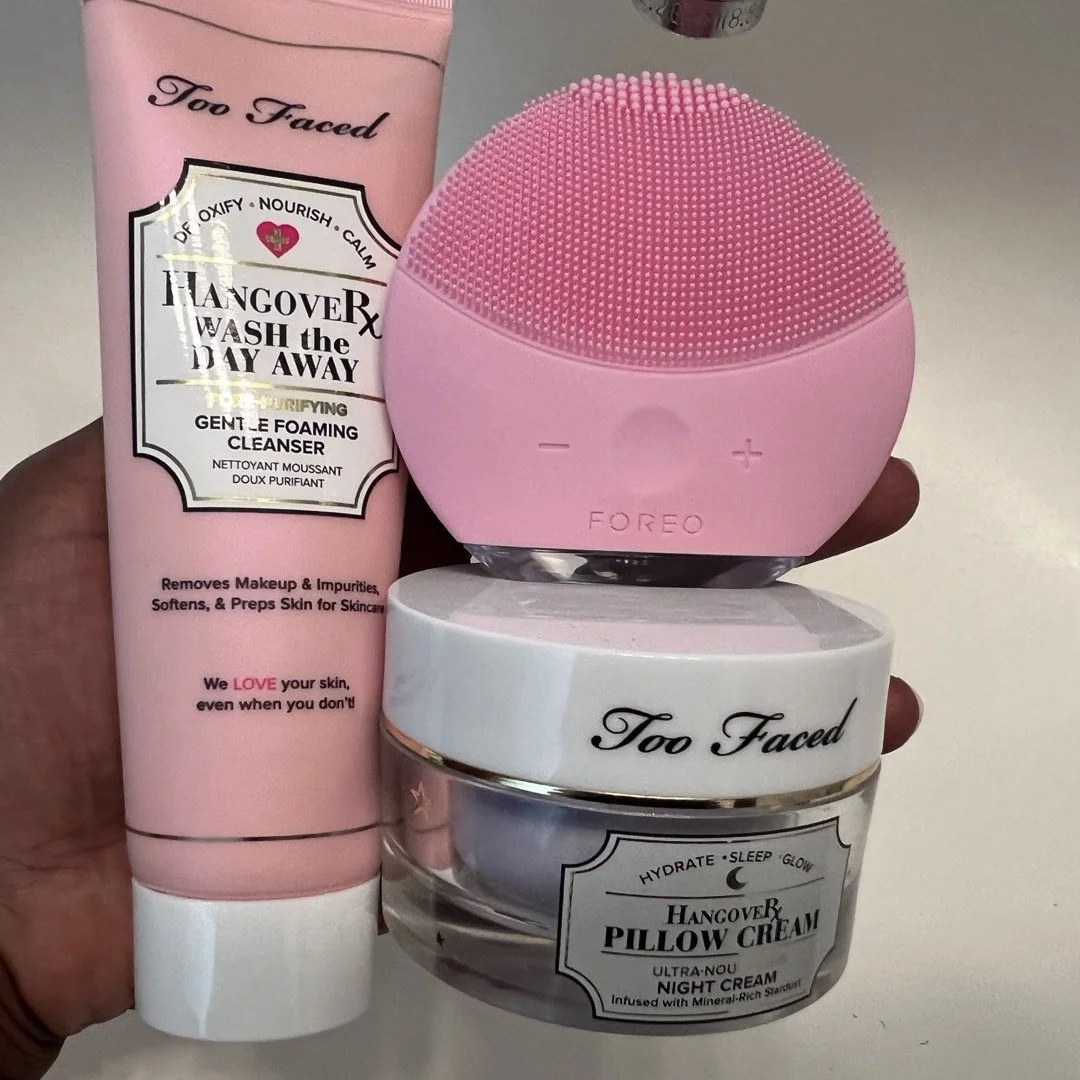
Turn your skincare routine into a calm, mindful minute. Slow down one step, notice your hands, and let the routine you already have feel like self care, with easy ideas for busy mornings, tired nights and shared bathrooms.

Leo season was for celebrating. Virgo season is for editing, a reset without starting over. Here’s what it means, plus simple ways to refine your routines, meals, beauty routine and space.

Sharing my honest review of the Dagne Dover travel bags I’ve been loving lately, including the Nora Shoulder Bag, Hunter Neoprene Toiletry Bags, Mara Keychains, and Mara Phone Sling. These stylish bags make traveling feel much more organized while still looking elevated and cute.

Sleep is one of the most underrated parts of wellness. This guide breaks down how bedding materials like linen, cotton, silk, and wool support better sleep through environmental wellness and comfort.
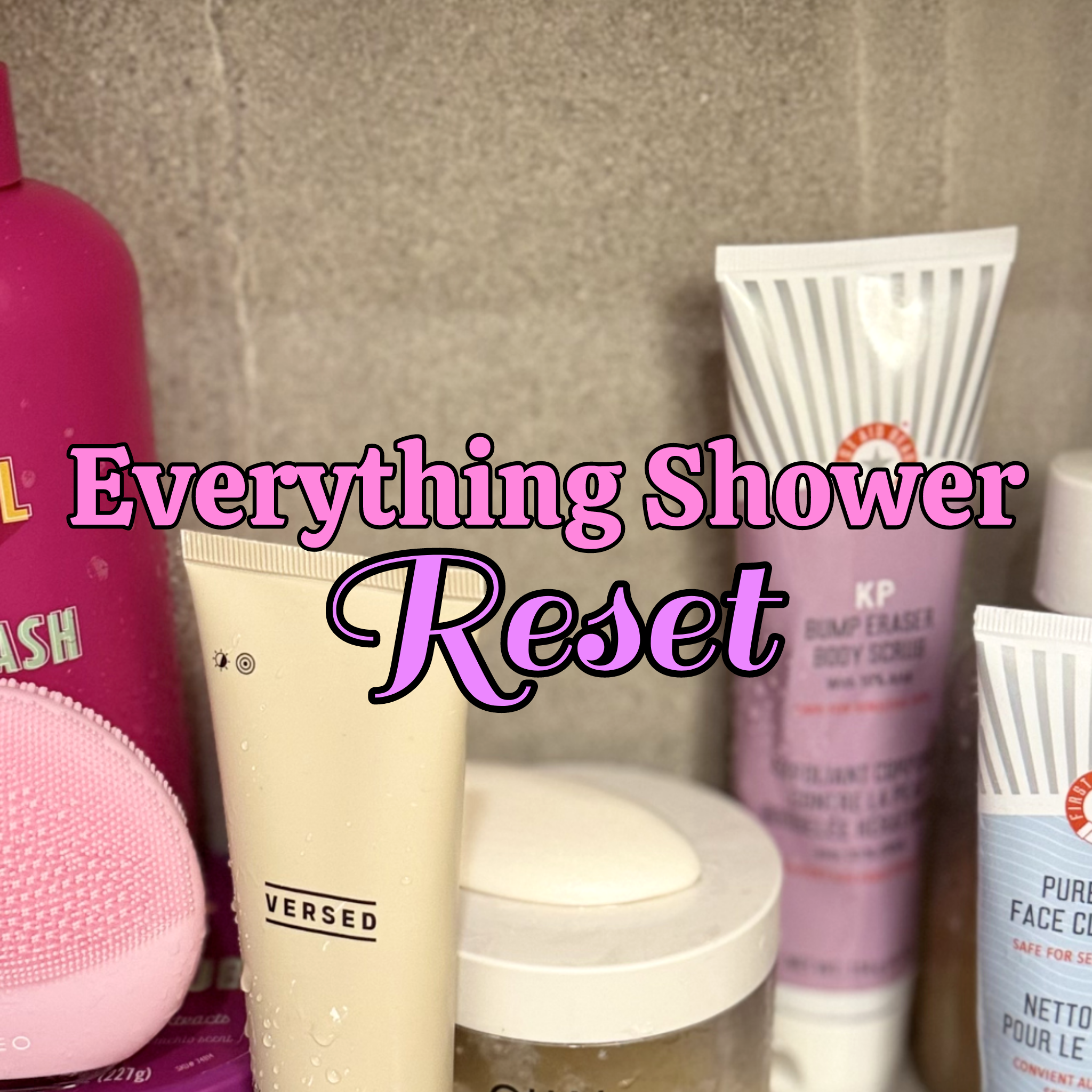
Refreshing my self care shower with a soft everything shower reset. Here’s what I’m currently using and rotating in my shower routine.

Sleep is one of the most underrated parts of wellness. This guide breaks down how bedding materials like linen, cotton, silk, and wool support better sleep through environmental wellness and comfort.

A soft, intentional welcome to the new year. This January reset is about easing into 2026 with calm routines, gentle goals, and soft-life wellness — setting the tone for a year that feels aligned, grounded, and beautifully unhurried.

Sleep is foundational to wellness, beauty, and mental clarity. In this guide, I’m sharing science-backed sleep tips, calming routines, and elevated essentials that support deeper, more restorative rest — without overcomplicating your nights. From nervous system regulation to sleep-friendly environments, these simple shifts help you wake up feeling calmer, clearer, and more refreshed.

Learn how to make creamy, comforting soups using clean ingredients, fresh produce, and simple techniques. Includes plant based options, light dairy use, and easy tips for nourishing homemade meals.

Soft decluttering is my approach to keeping a clean home through simple systems, intentional storage, and realistic cleaning routines. This post breaks down how I maintain a calm, functional space without pressure or burnout.

A curated guide to luxury gift ideas for children, highlighting higher quality, well designed options that blend everyday use with age appropriate learning elements. Designed as an editorial reference for thoughtful, gift worthy finds.

End your day with soft, feminine rituals that help you unwind and reset. This guide shares a calm nighttime routine with luxe essentials and gentle habits for deeper rest and a well rested glow.

A dream life doesn’t happen by accident—it’s built through quiet discipline, soft structure, and intentional choices made daily. Strict + Intentional: Goals to Dream Life shows you how to turn vision into reality without burnout, chaos, or hustle culture—by becoming the woman your future life requires.

Finding a luxury gift for her doesn’t mean buying the most expensive item in the store — it’s all about thoughtful, elevated pieces she’ll reach for again and again. This guide highlights chic beauty, cozy comforts, timeless accessories, elevated home gifts, and wellness essentials perfect for birthdays, holidays, or just because.



A calming, feminine nighttime routine designed to help you unwind and reset. These soft life self care rituals make your evenings feel peaceful, intentional, and beautifully restorative.

A curated list of elevated, high-value gifts he’ll actually love. From timeless accessories to sleek tech upgrades, this guide highlights luxe picks that feel thoughtful, intentional, and undeniably impressive.

A gentle guided meditation to help you reset your mind, breathe deeper, and find calm in the middle of a busy day. Slip into softness, release tension, and let this soothing practice bring you back to yourself.



Discover the must-have tech tools that make content creation feel luxe and effortless. From sleek ring lights and tripods to intuitive apps and accessories that keep your workflow smooth, this guide highlights gear that elevates your photos, videos, and creative process. Whether you’re a beginner or seasoned creator, these picks help you produce pretty, high-quality content with ease — and keep your aesthetic on brand.

A soft-life guide to turning leftover candles into pretty DIY wax melts using simple tools and aesthetic molds.




Explore my 2025 Victoria’s Secret PINK haul featuring cozy loungewear, dreamy sleep sets, and closet staples that blend comfort with youthful style. I share fit details, sizing notes, and styling ideas so you can shop smarter and feel confident in every piece. Ideal for everyday wear, gym days, and laid-back looks — this haul highlights the best PINK pieces worth adding to your wardrobe.

Dive into my Voluspa scent haul featuring stunning candle fragrances that transform any space into a cozy, luxe retreat. I break down each scent profile, favorite collections, and why these Voluspa candles make perfect gifts for every season. Whether you love warm, floral, or fresh aromas, this guide highlights must-try picks to elevate your home ambiance.

Learn how to make creamy, comforting soups using clean ingredients, fresh produce, and simple techniques. Includes plant based options, light dairy use, and easy tips for nourishing homemade meals.




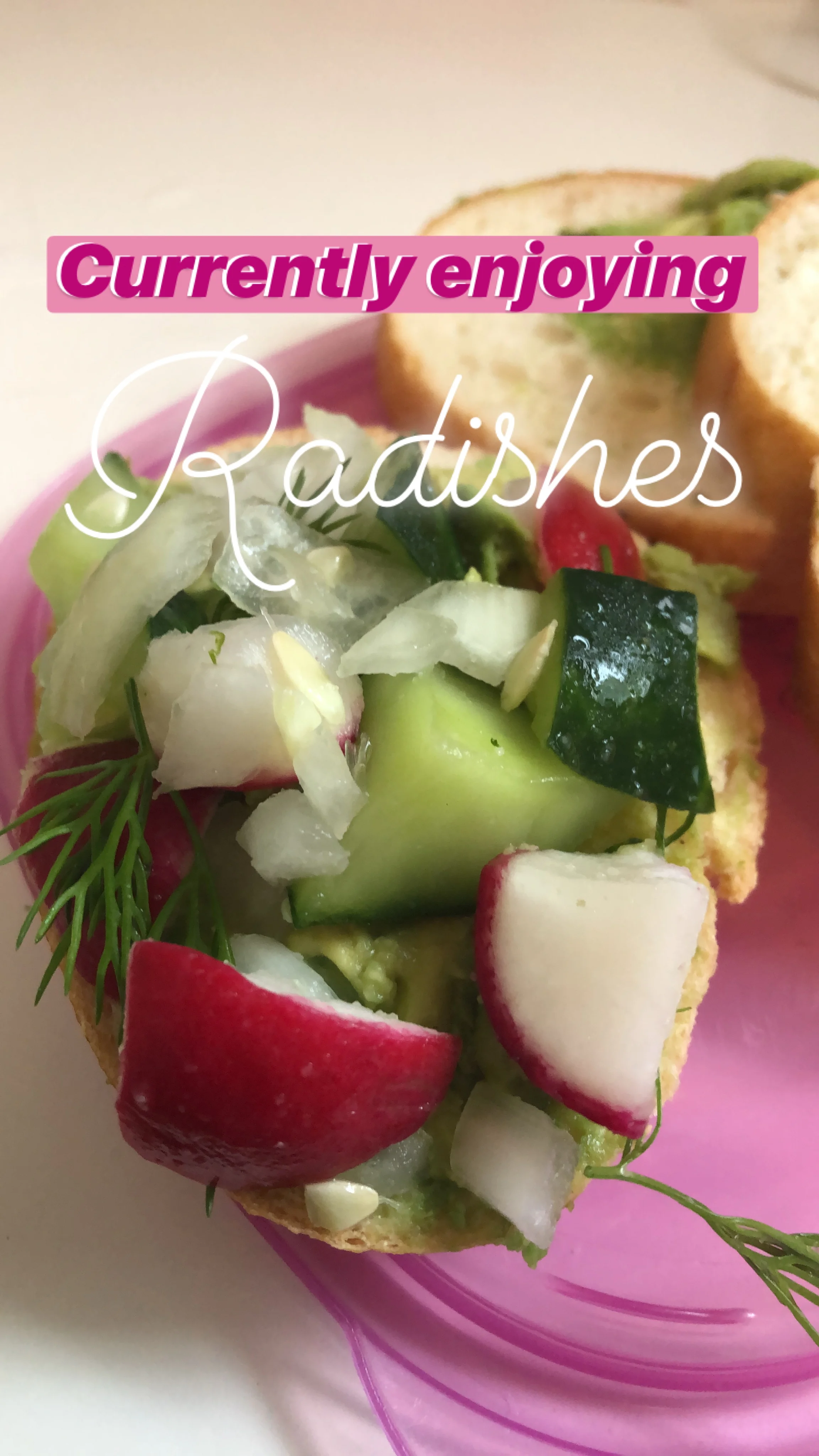
Are you looking for a plant based recipe that is both delicious and healthy? Try this Open Face Radish Sandwich recipe!

Are you looking for a plant based recipe that is both delicious and healthy? Try this Mango Smoothie recipe!

Are you looking for a plant based recipe that is both delicious and healthy? Try Italian Chickpeas! It’s super cheap too!

Are you looking for a plant based recipe that is both delicious and healthy? Try Buffalo Cauliflower Wings!





New on Well with Brielle

Libra season starts around the fall equinox. See when Libra season starts and ends, what Libra season means and lovely ideas for your home, beauty routine and relationships.
Turn your skincare routine into a calm, mindful minute. Slow down one step, notice your hands, and let the routine you already have feel like self care, with easy ideas for busy mornings, tired nights and shared bathrooms.
Leo season was for celebrating. Virgo season is for editing, a reset without starting over. Here’s what it means, plus simple ways to refine your routines, meals, beauty routine and space.
Sharing my honest review of the Dagne Dover travel bags I’ve been loving lately, including the Nora Shoulder Bag, Hunter Neoprene Toiletry Bags, Mara Keychains, and Mara Phone Sling. These stylish bags make traveling feel much more organized while still looking elevated and cute.
Sleep is one of the most underrated parts of wellness. This guide breaks down how bedding materials like linen, cotton, silk, and wool support better sleep through environmental wellness and comfort.
Refreshing my self care shower with a soft everything shower reset. Here’s what I’m currently using and rotating in my shower routine.
Sleep is one of the most underrated parts of wellness. This guide breaks down how bedding materials like linen, cotton, silk, and wool support better sleep through environmental wellness and comfort.
A soft, intentional welcome to the new year. This January reset is about easing into 2026 with calm routines, gentle goals, and soft-life wellness — setting the tone for a year that feels aligned, grounded, and beautifully unhurried.
Sleep is foundational to wellness, beauty, and mental clarity. In this guide, I’m sharing science-backed sleep tips, calming routines, and elevated essentials that support deeper, more restorative rest — without overcomplicating your nights. From nervous system regulation to sleep-friendly environments, these simple shifts help you wake up feeling calmer, clearer, and more refreshed.
Learn how to make creamy, comforting soups using clean ingredients, fresh produce, and simple techniques. Includes plant based options, light dairy use, and easy tips for nourishing homemade meals.
Soft decluttering is my approach to keeping a clean home through simple systems, intentional storage, and realistic cleaning routines. This post breaks down how I maintain a calm, functional space without pressure or burnout.
A curated guide to luxury gift ideas for children, highlighting higher quality, well designed options that blend everyday use with age appropriate learning elements. Designed as an editorial reference for thoughtful, gift worthy finds.
End your day with soft, feminine rituals that help you unwind and reset. This guide shares a calm nighttime routine with luxe essentials and gentle habits for deeper rest and a well rested glow.
A dream life doesn’t happen by accident—it’s built through quiet discipline, soft structure, and intentional choices made daily. Strict + Intentional: Goals to Dream Life shows you how to turn vision into reality without burnout, chaos, or hustle culture—by becoming the woman your future life requires.
Finding a luxury gift for her doesn’t mean buying the most expensive item in the store — it’s all about thoughtful, elevated pieces she’ll reach for again and again. This guide highlights chic beauty, cozy comforts, timeless accessories, elevated home gifts, and wellness essentials perfect for birthdays, holidays, or just because.
A calming, feminine nighttime routine designed to help you unwind and reset. These soft life self care rituals make your evenings feel peaceful, intentional, and beautifully restorative.
A curated list of elevated, high-value gifts he’ll actually love. From timeless accessories to sleek tech upgrades, this guide highlights luxe picks that feel thoughtful, intentional, and undeniably impressive.
A gentle guided meditation to help you reset your mind, breathe deeper, and find calm in the middle of a busy day. Slip into softness, release tension, and let this soothing practice bring you back to yourself.
Discover the must-have tech tools that make content creation feel luxe and effortless. From sleek ring lights and tripods to intuitive apps and accessories that keep your workflow smooth, this guide highlights gear that elevates your photos, videos, and creative process. Whether you’re a beginner or seasoned creator, these picks help you produce pretty, high-quality content with ease — and keep your aesthetic on brand.
A soft-life guide to turning leftover candles into pretty DIY wax melts using simple tools and aesthetic molds.
Explore my 2025 Victoria’s Secret PINK haul featuring cozy loungewear, dreamy sleep sets, and closet staples that blend comfort with youthful style. I share fit details, sizing notes, and styling ideas so you can shop smarter and feel confident in every piece. Ideal for everyday wear, gym days, and laid-back looks — this haul highlights the best PINK pieces worth adding to your wardrobe.
Dive into my Voluspa scent haul featuring stunning candle fragrances that transform any space into a cozy, luxe retreat. I break down each scent profile, favorite collections, and why these Voluspa candles make perfect gifts for every season. Whether you love warm, floral, or fresh aromas, this guide highlights must-try picks to elevate your home ambiance.

Libra season starts around the fall equinox. See when Libra season starts and ends, what Libra season means and lovely ideas for your home, beauty routine and relationships.