5 Steps to Effortlessly Clean Non-Toxic Bedding
5 Steps to Effortlessly Clean Non-Toxic Bedding
This post may contain affiliate links, which means if you click them, I may earn a small commission, at no extra cost to you.
How to Clean Non-Toxic Bedding the Right Way | Well With Brielle
Overall, switching to non-toxic bedding materials was one of the most intentional health and wellness upgrades I’ve made lately — especially in my bedroom, where I spend the most time.
Given that we spend a significant portion of our lives sleeping — and that science shows long-term sleep hygiene impacts aging and overall quality of life — it’s crucial to prioritize a healthy sleep setup.
Although luxurious, high-quality non-toxic materials are amazing, maintaining them properly is what truly protects the investment.
Clean non-toxic bedding is the goal!
In this post, I’m sharing the exact five steps I follow to maintain and clean non-toxic bedding materials.
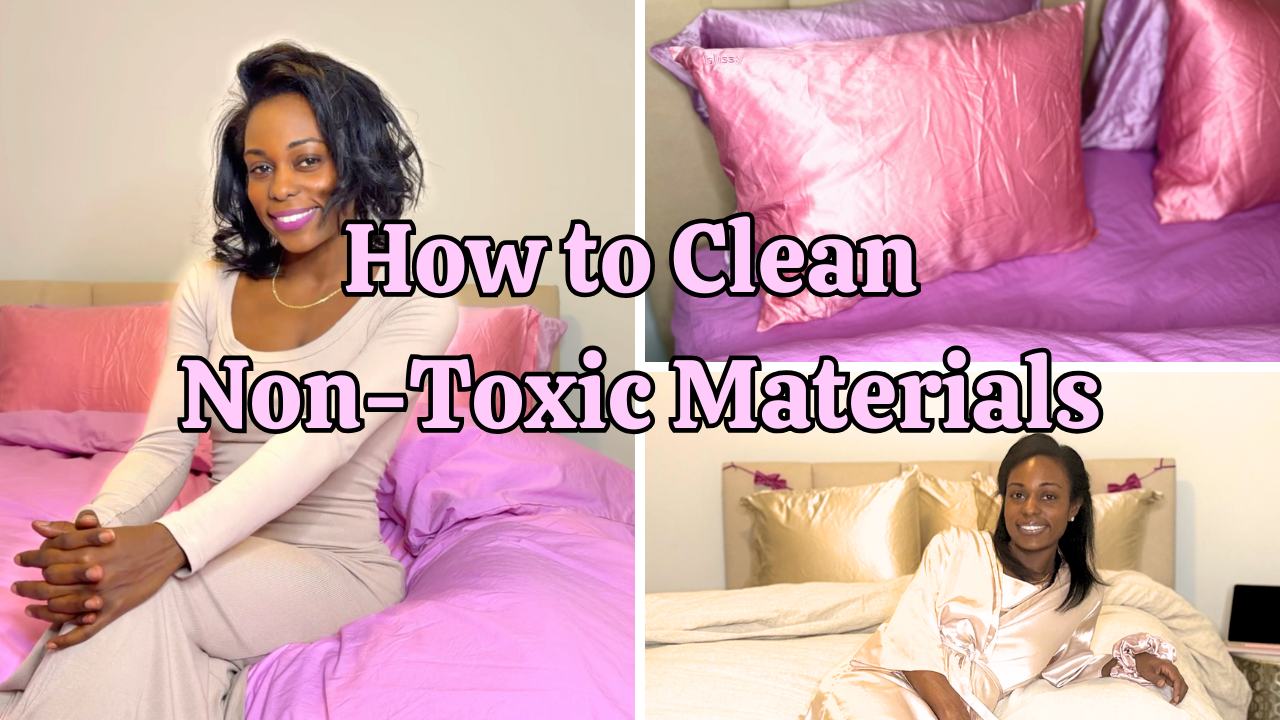
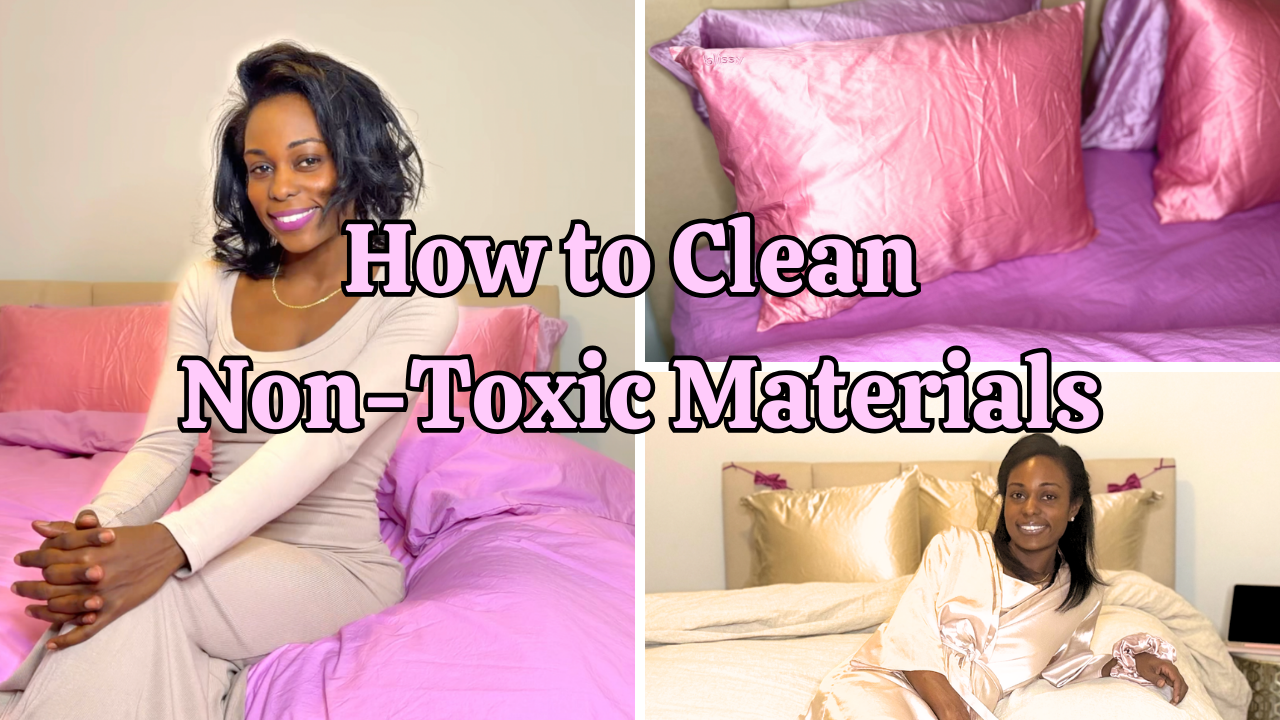
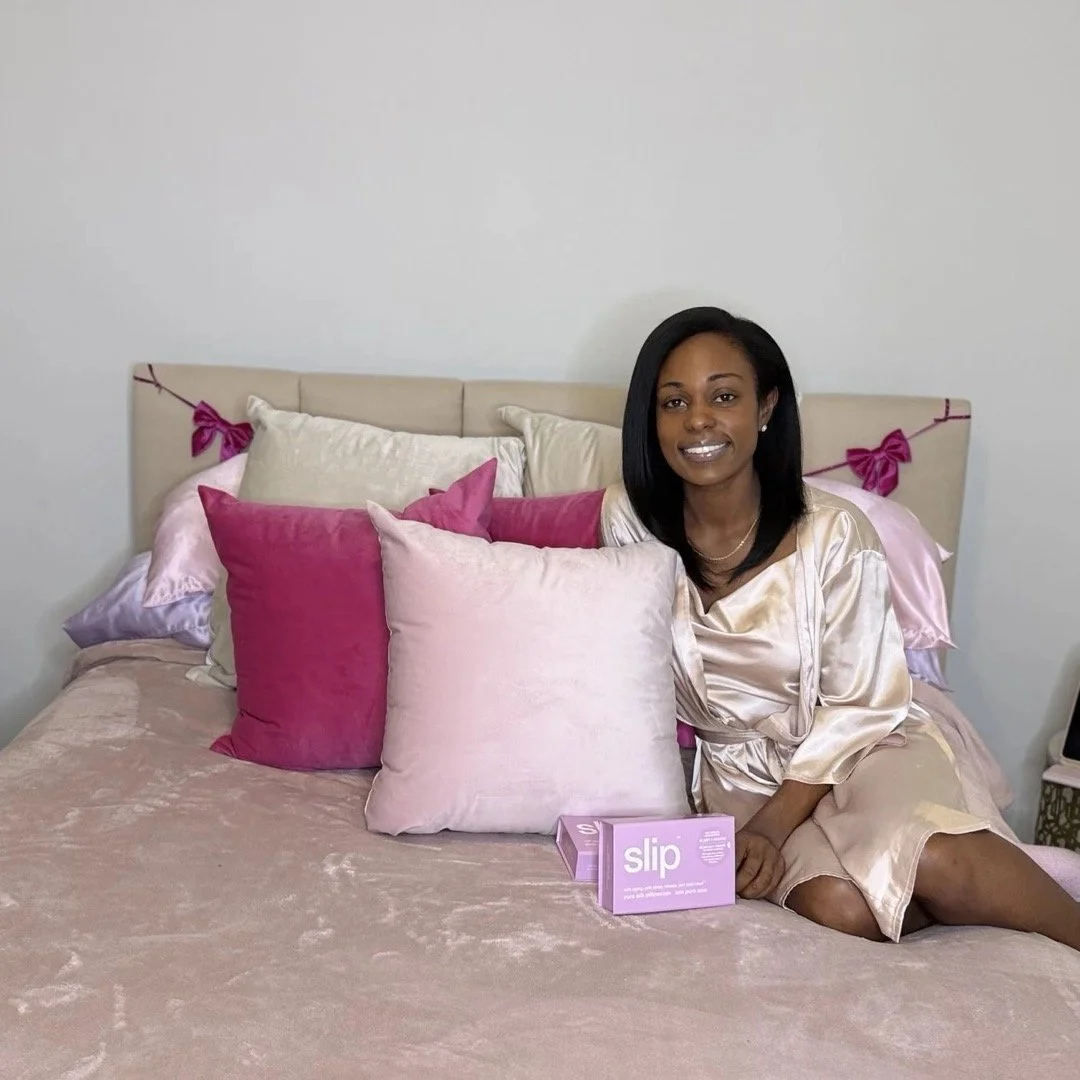
Additionally, I’m including my honest review of my pink cotton set, champagne/nude linen set, and the matching silk pillowcases I use with both.
I’ll also share how I care for these materials and when I replace bedding items like sheets and pillows.
Basically, if you care about breathable fabrics, longevity, and creating a clean, elevated sleep environment, this guide will help.
Related:
Top Sleep Tips for a Restful Night
Table of Contents
My Honest Review of Non-Toxic Bedding Materials
Step 1: How Often to Wash Sheets, Pillowcases, and Duvet Covers
Step 2: Use the Right Laundry Detergent
Step 3: Dry and Store Properly
Step 4: Deep Clean Inserts and Pillows
Step 5: How Often to Replace Bedding
Refresh Your Setup Intentionally (Aesthetic/Pink Set Review)
Final Thoughts
Are you washing your bedding the right way?
Leave a comment below — I’d love to know.
5 Steps to Effortlessly Clean Non-Toxic Bedding
Did you know?
Your bedding collects sweat, oils, allergens, and skincare residue daily.
In fact, even high-quality, natural fabrics require proper maintenance to stay breathable and beautiful.
Here are the five steps I follow consistently to clean non-toxic bedding.
Music: Quantum Leap (Instrumental) by @Briellexo 💕
Press play or keep reading for the full breakdown!
My Honest Review of Non-Toxic Bedding Materials
Before diving into maintenance, I want to briefly share my experience with non-toxic materials overall.
Pros of Non-Toxic Bedding Materials
Switching to breathable fabrics like linen, cotton, and silk has noticeably improved:
• Breathability: noticeable improvement over synthetic blends
• Softness: improves after washing
• Temperature regulation: better airflow
• Aesthetic: elevated and intentional
Considerations of Non-Toxic Bedding Materials
While I have no cons to share, if I had to identify a few considerations, they would be the following:
• Wrinkles easily
• Higher upfront cost (SO worth it!)
• Requires proper, timely care
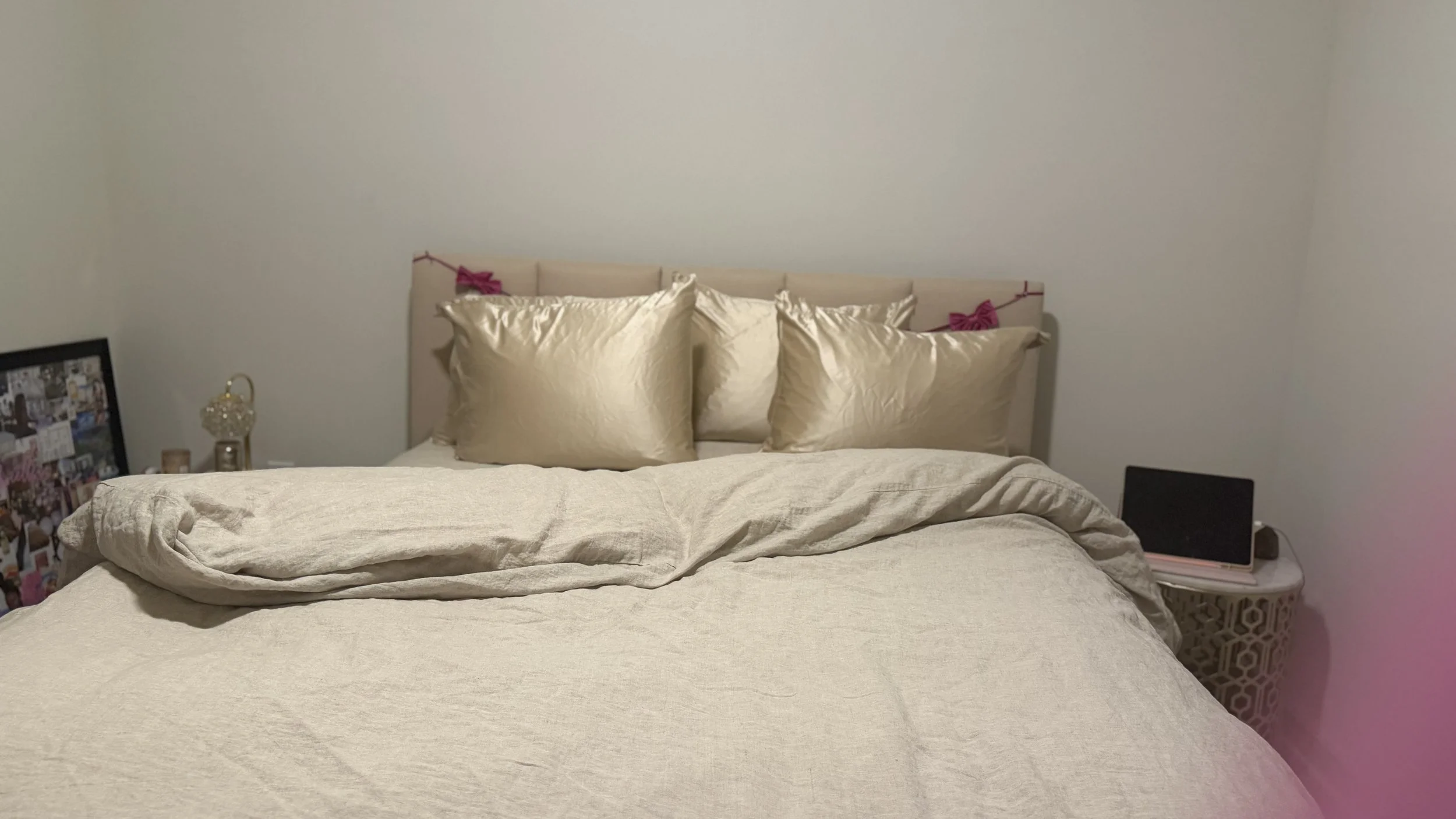
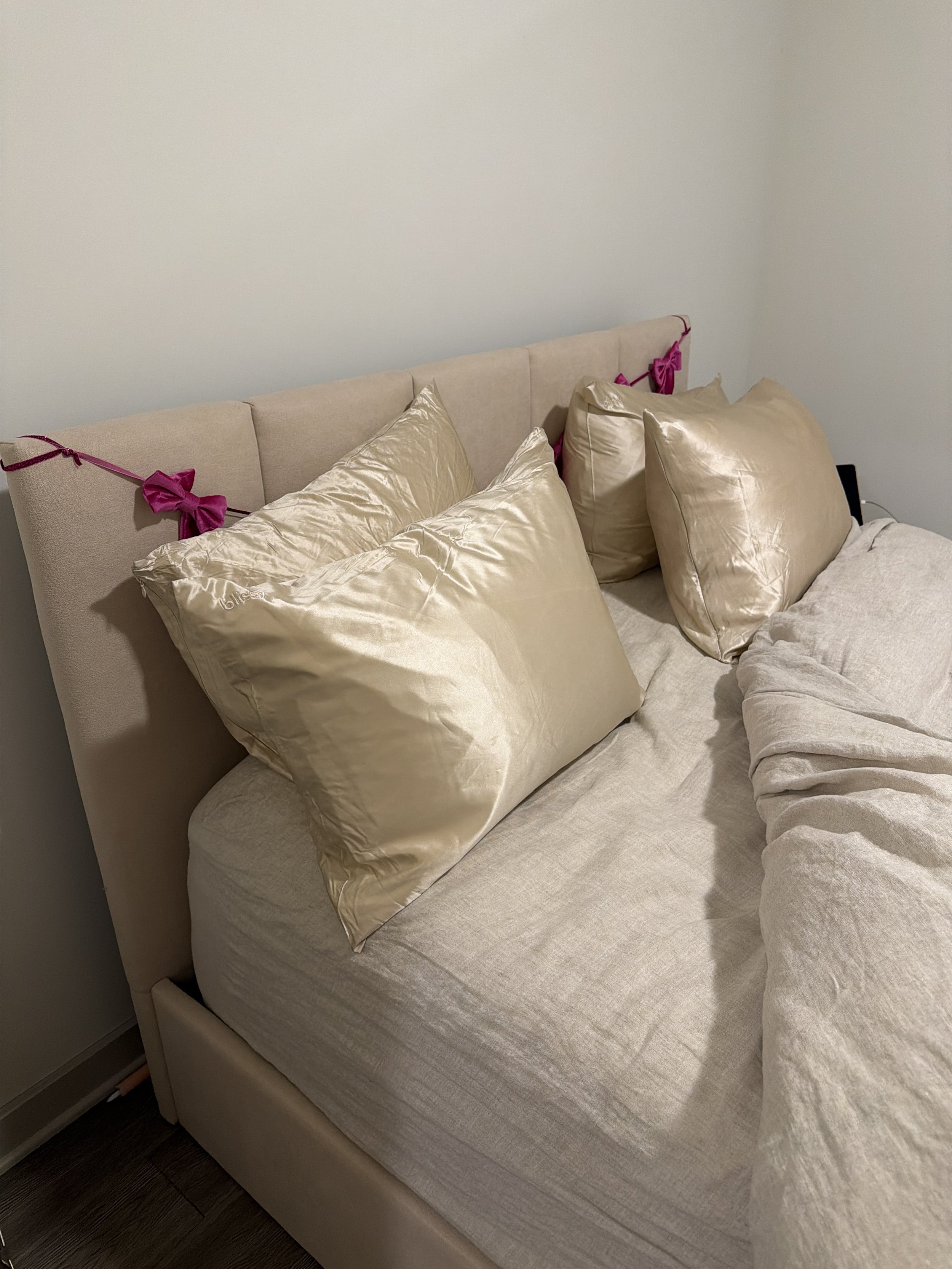
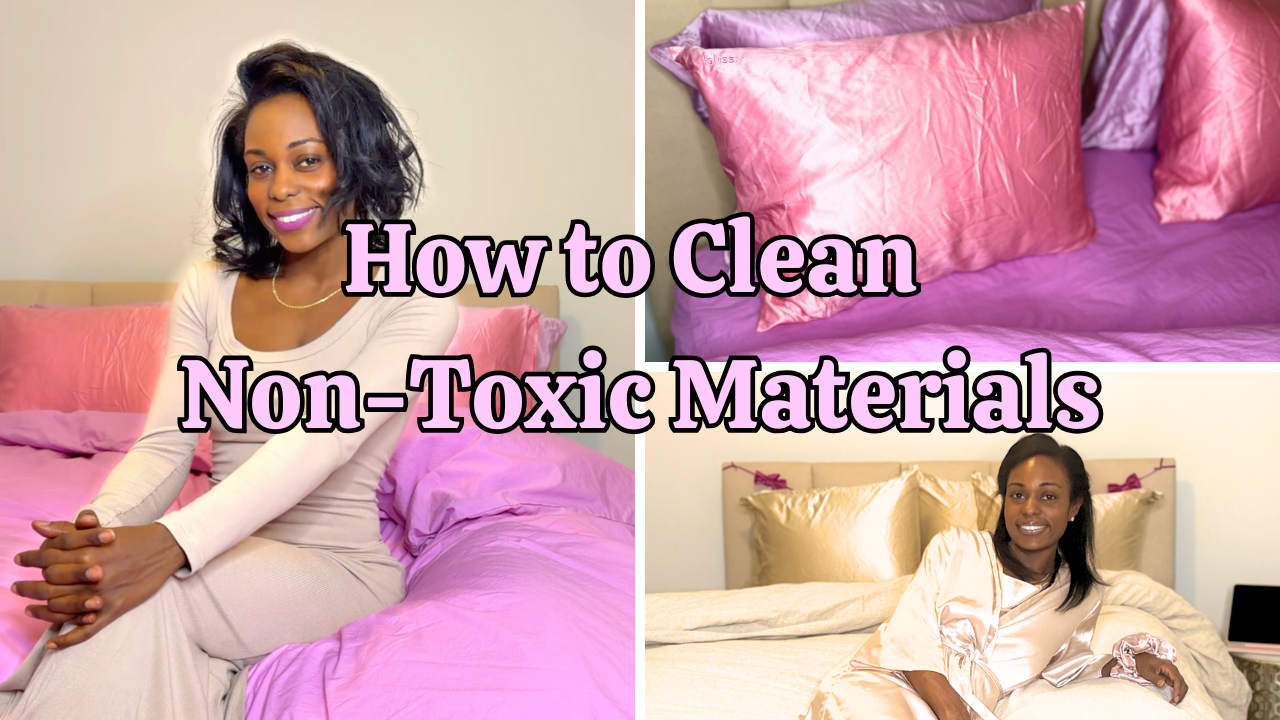
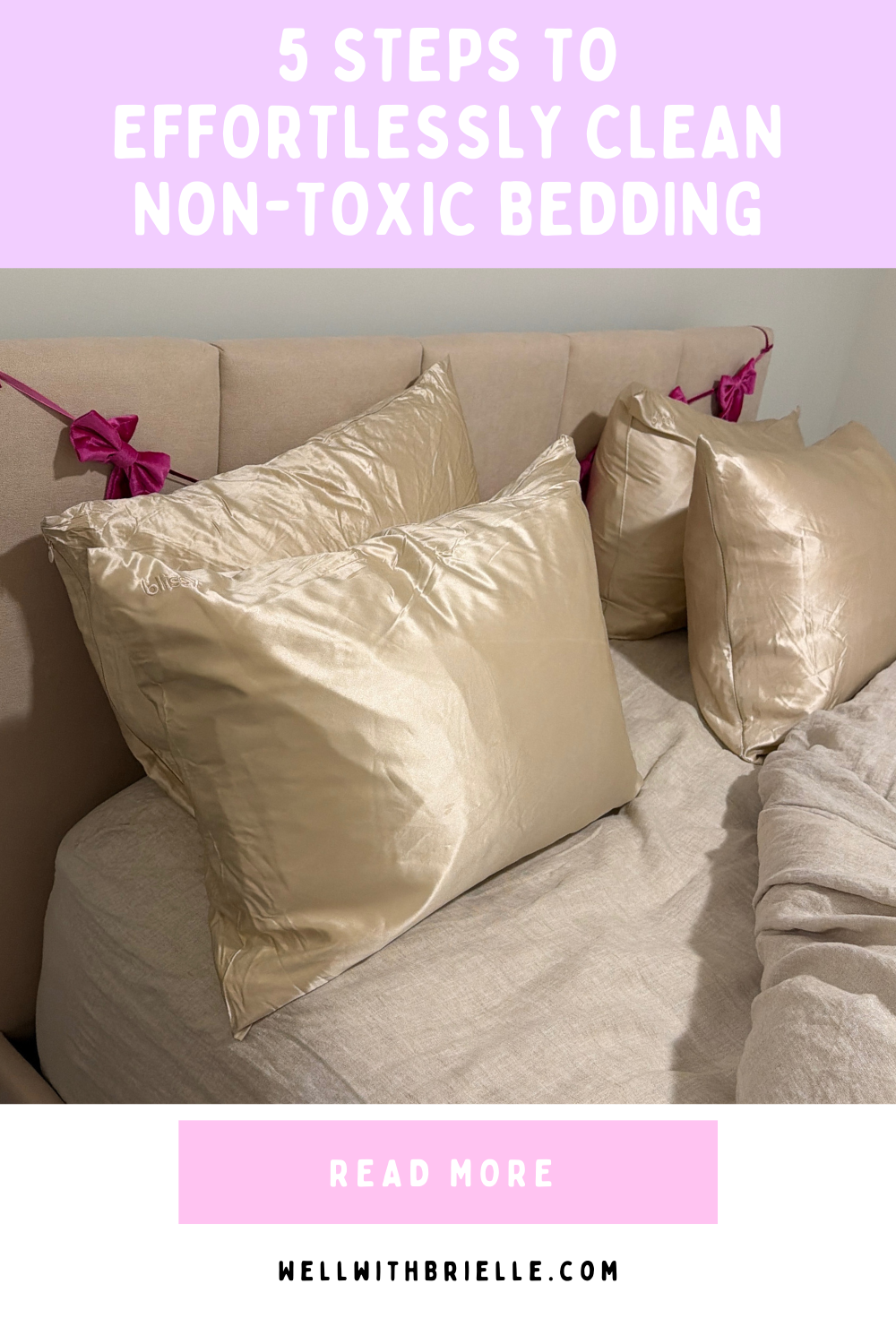
Overall, my champagne nude linen sheet and duvet cover set feels feminine, mature, soft, and elevated, while still maintaining airflow, warmth, and comfort.
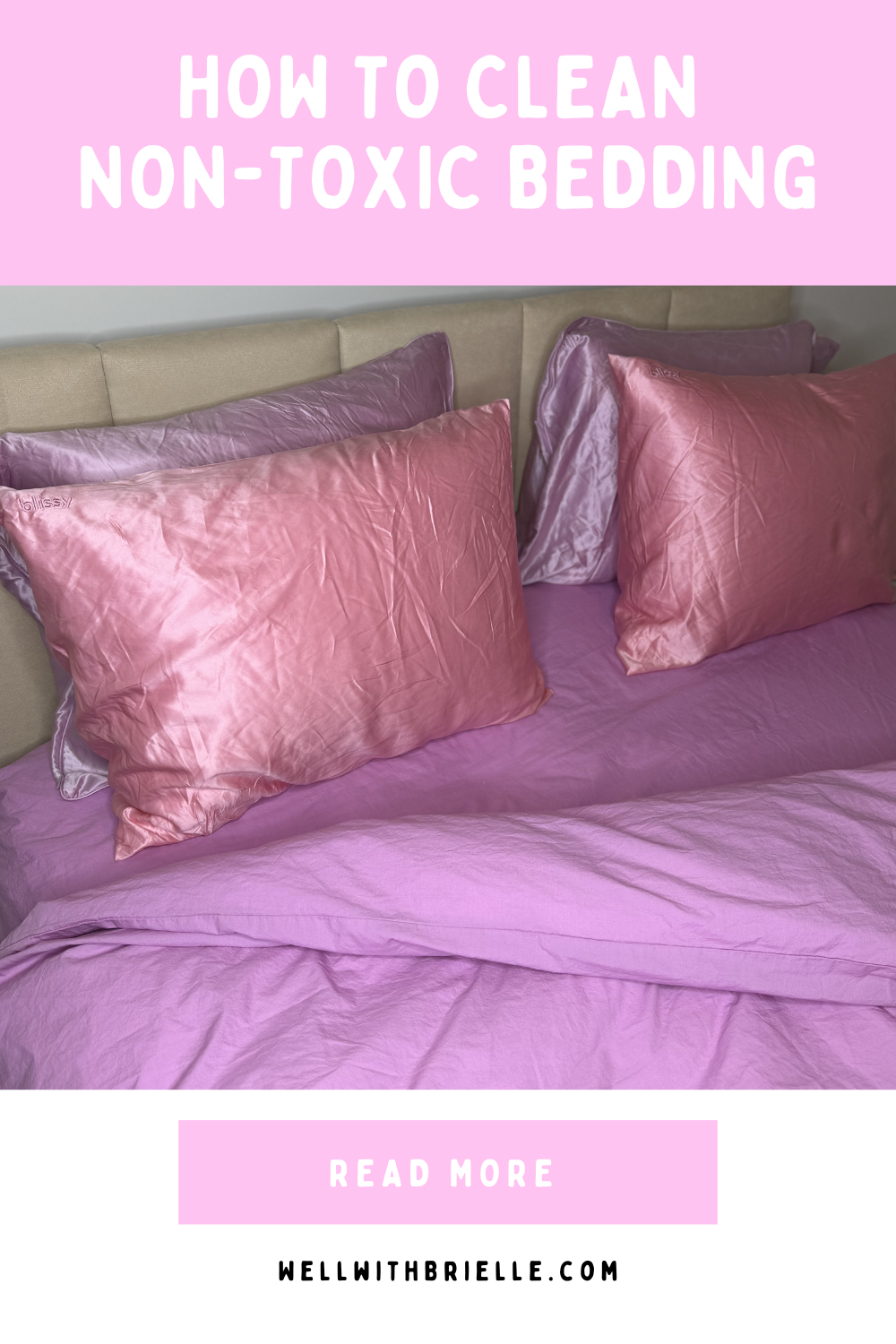
Similarly, I’m in love with my girly pink cotton sheet and duvet cover set. I’ll dive more into the different sets soon (because aesthetics matter!), but first, I want to focus on the materials and my honest review for now.
Basically, compared to synthetic blends, I’ve experienced less overheating, less skin irritation and overall better long-term comfort.
Overall, upgrading to non-toxic bedding has been worth it for comfort and long-term quality.
However, quality items require care and maintenance, so obviously, these high-quality non-toxic materials do require proper, timely care — which is where the five steps below come in.
Shop My Favorites for Non-Toxic Living
(This Entire Post)
My favorite non-toxic living items linked here for building a healthier, non-toxic, and supportive sleep setup.
Do you rotate between different bedding materials or colors throughout the year?
Leave a comment below — I’d love to know.
How Often to Wash Sheets, Pillowcases, and Duvet Covers
To keep high quality, clean non-toxic bedding, I like to wash everything regularly.
Most importantly, washing your bedding is essential for maintaining good health and wellness.
Over time, sweat, oils, and allergens build up — even on high-quality fabrics.
Basically, regular washing keeps your sleep environment clean, breathable, and aligned.
In summary, I always wash my sheets, pillowcases, and duvet covers at least once per week.
Here are the washer settings I use to clean non-toxic bedding while ensuring my non-toxic materials stay high-quality and luxe:
Cold water
Gentle cycle
A small amount of non-toxic detergent (I love to purchase the detergent that the brand recommends!)
No fabric softener
Consistency is key to maintaining both hygiene and fabric longevity.
Reader Favorite:
Step 2: Use the Right Laundry Detergent for Each Fabric
Are you using your regular laundry detergent on premium fabrics?
Many traditional detergents contain harsher ingredients that are not ideal for 100% cotton, linen, silk, or wool.
First, to wash pure material items properly, use only a small amount of gentle detergent and wash fabrics separately based on material type and care instructions.
Following fabric-specific guidance helps preserve breathability, softness, and longevity.
For cotton, linen*, and wool:
• Use a gentle non-toxic detergent
• Wash similar materials together
• Follow brand-specific care instructions
*Specifically, I use a different detergent for my cotton than I do for my linen bedding items. I purchased my linen bedding set from Bed Threads and also purchased their detergent that’s designed for their products.
For silk:
• Use a silk-specific detergent
• Wash separately
• Air dry when possible
Moreover, some non-toxic bedding brands even sell specialty detergents designed for their fabrics.
This is optional — but smart if you want your bedding to remain soft and intact long term.
Shop Non-Toxic Living
Non-Toxic Gentle Detergent
Silk-Specific Detergent
Wool Dryer Balls
Related:
Voluspa Scent Haul: Amazing Scents, Beautiful Gifts
Are you team cotton, linen, or silk when it comes to bedding?
Let us know in the comments below!
Step 3: Dry and Store Properly
How you dry your bedding matters just as much as how you wash it.
Tips for storing clean non-toxic bedding:
• First, use low heat or air dry
• Next, add wool dryer balls
• Then, remove slightly damp items to prevent stiffness
• Finally, shake out sheets before folding
Overall, natural fabrics wrinkle more easily — but that’s part of their authenticity and breathability.
Always avoid over-drying to protect fibers.
Storage Between Washes
Even between weekly washes, there are small habits that help preserve non-toxic bedding. For example:
Store extra sheet sets in a breathable cotton bag — not plastic
Avoid damp storage spaces
Let bedding fully dry before folding
If switching sets seasonally, air them out before storing
Also, if you’re someone who rotates colors like I do (pink vs. champagne), proper storage keeps each set fresh and ready without losing softness or breathability.
These small details extend the life of your investment.
Related Blog post:
Step 4: Deep Clean Inserts and Pillows
Sheets are only one part of the equation.
In addition to weekly care and maintenance, to clean Non-Toxic Bedding you want to also have a monthly/quarterly rotation of bedding items that also get cleaned.
Clean Non-Toxic Bedding - Monthly/Quarterly Tasks
Wash mattress and pillow protectors at least once a month.
Duvet inserts should be washed every 6–12 months
Air pillows regularly when washing bedding weekly.
Again, after years of use, replacing bedding becomes necessary.
Even with proper washing, materials naturally break down over time.
Overall, staying proactive ensures your sleep setup remains supportive and hygienic.
Check this Out:
Step 5: How Often to Replace Bedding
How Often to Replace Mattress Protectors and Duvet Inserts
Mattress protectors: Replace every 1–2 years, depending on wear.
Duvet inserts: Typically last 3–5 years with proper care.
Replacing Sheets and Pillows (How Often)
Pillows: Replace every 1–2 years for hygiene and support.

Sheets and pillowcases: Ideally, replace every 1–2 years depending on use and care.
Pillow protectors should be replaced when they lose structure or elasticity.
Moreover, replacing worn bedding helps maintain a healthy sleep environment.
A healthy wellness environment means cleanliness and holistic alignment.
Well with Brielle Tip:
Choose one consistent laundry day each week and treat it as part of your reset routine. Clean non-toxic bedding keeps your environment aligned and elevated.
Tag me @WellwithBrielle on Instagram and show me how you’re creating meaningful goals this year!

Read More from Our Non-Toxic Bedding Materials Series:
Refresh Your Setup Intentionally
(Pink Set Review)
In part one of my series, I shared my champagne non-toxic bedding set.
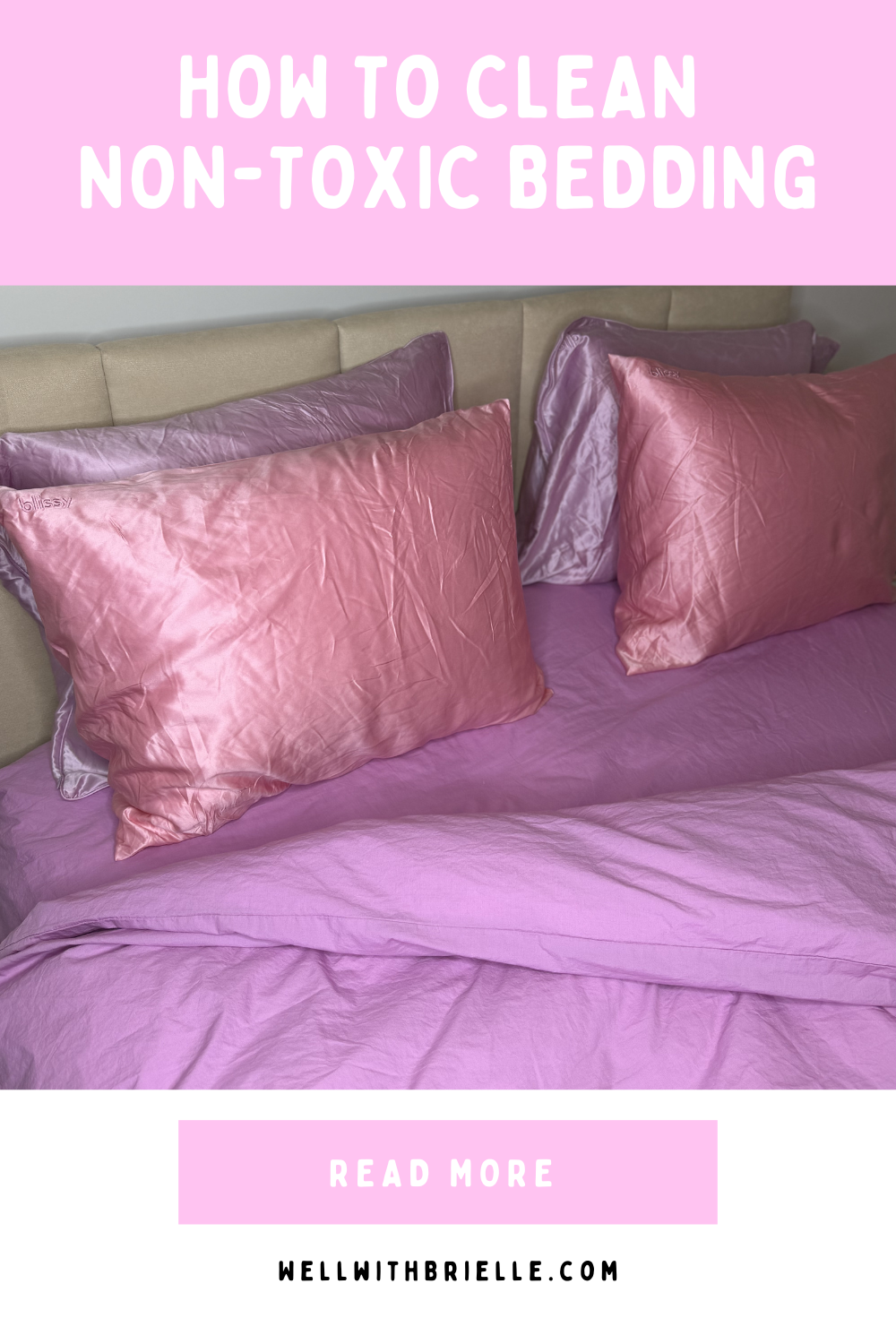
I also added a pink cotton set — and the energy shift is noticeable.
The pink feels feminine, soft, and fully aligned with my space. Overall, it’s high-vibe and fun — I love it!
In comparison, the champagne/nude linen set feels neutral, minimal, calming, and overall spa-like.
It has a calmer, more mature vibe.
Of course, I love this set too.
It’s undeniably so nice to be able to switch up the vibe with ease — especially without losing any of the benefits of clean non-toxic materials.
Cotton vs. Linen: Material and Feel
Specifically, the champagne/nude linen set feels slightly more soft and structured.
In general, the linen also tends to retain warmth a bit more, making it extra cozy — which may be important to note if you sleep cold, but enjoy staying very warm.
Shop Non-Toxic Bedding Favorites
Cotton Bedding Set
Linen Bedding Set
Breathable Duvet Insert
Pillow Protectors
Pin This Post for Later
Final Thoughts
Effortlessly cleaning non-toxic bedding isn’t complicated — it simply requires consistency and intention.
Wash regularly.
Use gentle products.
Protect the fabric.
Replace items when needed.
Clean nontoxic bedding supports better sleep, healthier aging, and an elevated wellness environment overall.
Moreover, a healthy wellness environment requires cleanliness and alignment holistically.
Certainly, your bedroom should feel supportive, breathable, and intentional — not just aesthetic.


























Sleep is one of the most underrated parts of wellness. This guide breaks down how bedding materials like linen, cotton, silk, and wool support better sleep through environmental wellness and comfort.